
Industry & Intelligence
A Pharma Asset Changes Hands Under Financial Duress
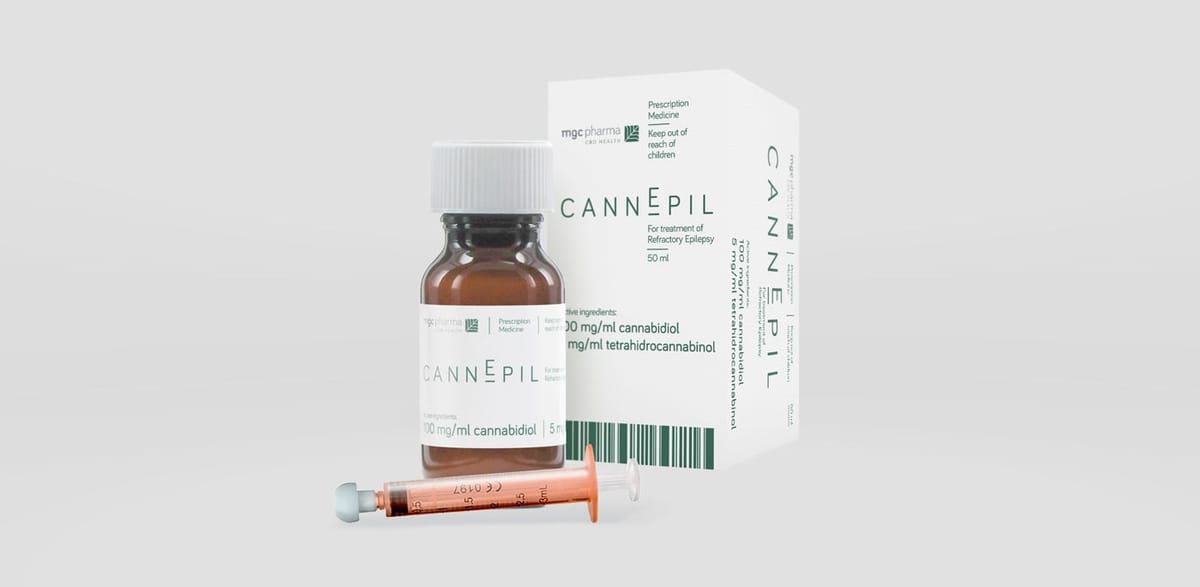
When a pharmaceutical company's most valuable clinical asset changes hands not because of its promise, but because of the seller's debt obligations, it warrants scrutiny. That is precisely the situation surrounding CannEpil, the cannabidiol-based epilepsy treatment developed by ASX-listed Argent BioPharma — formerly MGC Pharmaceuticals — which has now licensed its global commercialisation rights to Splash Beverage Group in a deal valued at US$5.5 million.
The transaction, announced on 7 July, is structured not as a conventional licensing agreement but as a debt-restructuring exercise. Rather than paying cash, Splash will cancel convertible loan notes that Argent owes to its primary financier, Mercer Street Global Opportunity Fund, reducing the outstanding balance by roughly 60%. In parallel, Splash will issue US$5.5 million in preferred equity, and a second lender, C/M Capital Partners, has committed US$1 million to fund early-stage regulatory work in the United States.
The arrangement is notable for its circularity: the two financial entities backing Splash are the same two that have been financing Argent. Mercer, Argent's largest shareholder, holds a convertible note facility last valued at approximately A$14.6 million. C/M Capital holds a separate A$11 million facility. Both are now, in effect, on both sides of the table.
A Drug With a Real European Footprint
What gives this deal genuine significance beyond corporate finance is CannEpil's clinical track record. The product — a standardised 20:1 cannabidiol-to-THC oral solution designed for drug-resistant epilepsy — is no speculative pipeline asset. It became the first product available under Ireland's national Medicinal Cannabis Access Programme (MCAP), has reached patients in the United Kingdom through named-patient and specialist clinic routes, and has been supplied in Germany and Australia.
In March of this year, Argent shipped its largest commercial batch to date — 1,000 units to Ireland, valued at approximately A$783,000 in reimbursed retail terms. The company has also received an investigational new drug designation from the United States Food and Drug Administration following pre-IND engagement. Under the new licence, Splash assumes responsibility for pursuing FDA approval, with timelines requiring a Phase I trial within 24 months and a Phase II within 48.
Argent retains intellectual property ownership, continues manufacturing under EU Good Manufacturing Practice (EU-GMP) standards, and will collect a 15% royalty on worldwide net sales for at least a decade in each market. It is a structure designed to keep Argent financially viable in the short term, while transferring the upside risk — and the regulatory burden — to Splash.
The Buyer's Stability Is Far From Assured
The concerns do not end with the seller. Splash Beverage Group, a Fort Lauderdale-based drinks company whose brands include Copa di Vino wine and SALT tequila, is entering the cannabinoid pharmaceutical space from a position of notable financial fragility. Its most recent annual report carries a going-concern qualification, the company reported negative stockholders' equity of approximately US$15.3 million at the end of 2025, and it faces potential delisting from the NYSE American exchange unless its share price recovers substantially.
Splash is now repositioning itself as a "cannabinoid health, wellness and biopharmaceutical platform" — with CannEpil as the centrepiece. Whether a company with those financial characteristics can execute a credible FDA approval pathway is a question that European regulators, healthcare systems, and patient advocates will be watching closely.
What This Means for Malta and the Broader EU
For Malta, the implications are indirect but worth monitoring. CannEpil has not been formally introduced into the Maltese market, but the drug's EU-GMP certification and its established presence in Ireland and Germany mean it is, in principle, accessible through the channels that govern medicinal cannabis in Malta — specifically the framework overseen by the Medicines Authority and referenced by the Authority on the Responsible Use of Cannabis (ARUC) in its guidance on pharmaceutical-grade products.
The concern for any European jurisdiction where CannEpil is currently or potentially available is continuity of supply. Argent retains manufacturing responsibilities under the deal, which provides some structural stability. However, the company closed the March 2026 quarter with only A$736,000 in cash against a quarterly operating outflow of A$788,000, and its accounts show accumulated losses exceeding A$150 million. It is surviving on convertible note drawdowns with terms that dilute shareholder value each time they are exercised.
For healthcare professionals and policy observers in Malta who track the medicinal cannabis landscape, the takeaway is cautious: CannEpil remains a clinically credible product with a legitimate regulatory history. But the corporate structure now surrounding it introduces meaningful uncertainty about the long-term stability of its supply chain and development trajectory. Institutions evaluating pharmaceutical-grade cannabis options — whether for clinical guidance or policy reference — would be prudent to monitor how the Splash transition unfolds over the coming quarters.
The deal also serves as a broader case study in the financial volatility that continues to characterise the pharmaceutical cannabis sector in Europe and beyond. Genuine clinical assets are being traded to service debt rather than to advance patient access — a dynamic that sits uncomfortably with the regulatory maturation that programmes like Ireland's MCAP represent.
Featured image: Photo by MART PRODUCTION on Pexels
Members Discussion