
Science & Health
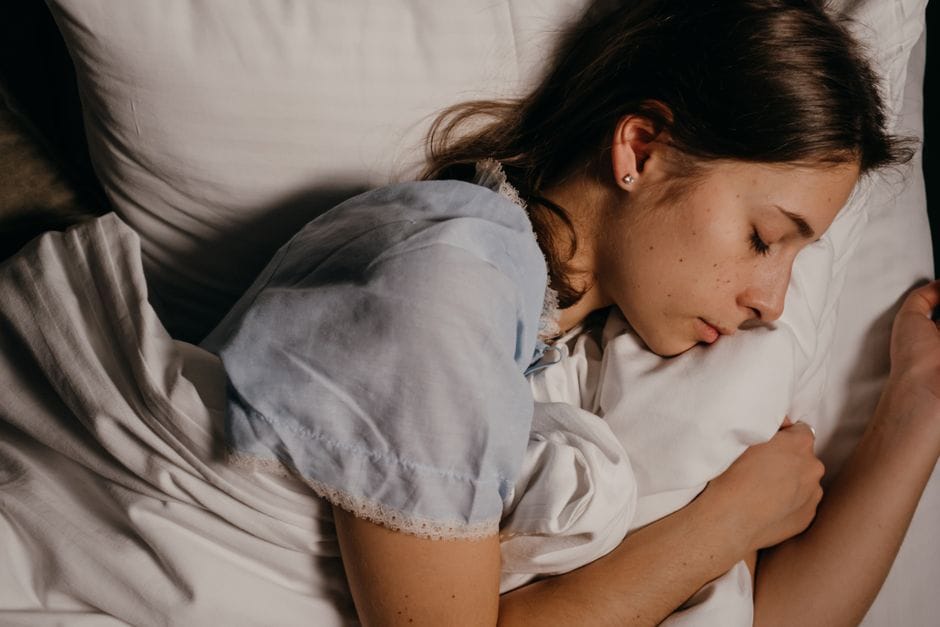
A Popular Remedy Under the Microscope
For many cannabis consumers in Malta and across Europe, one of the most commonly cited reasons for use is sleep. Whether managing insomnia, anxiety-driven wakefulness, or simply winding down after a long day, cannabis has built a strong informal reputation as a sleep aid. But a growing body of scientific research is beginning to tell a more complicated story — one that challenges assumptions held by both consumers and, in some cases, clinicians.
What the Research Shows
THC, the primary psychoactive compound in cannabis, does appear to reduce the time it takes to fall asleep in the short term. Studies have observed that acute THC use can shorten sleep onset latency — the period between lying down and drifting off. For someone lying awake at two in the morning, that effect is understandably appealing.
The picture becomes more complicated when researchers look beyond sleep onset. Of particular concern is the effect of THC on REM sleep — the rapid eye movement stage associated with dreaming, emotional memory consolidation, and cognitive restoration. Multiple studies have found that THC suppresses REM sleep, sometimes significantly. While the subjective experience may feel like deeper, more restful sleep, the brain may be missing out on a stage that plays a critical role in mental and emotional health.
CBD, the non-psychoactive cannabinoid that has attracted considerable public interest, presents its own mixed picture. Some early research suggested CBD might have anxiolytic properties that could indirectly benefit sleep. However, the evidence remains inconsistent, and dosage appears to matter substantially — with some studies indicating that lower doses may actually promote alertness rather than sedation.
The Tolerance and Rebound Problem
Perhaps the most clinically significant finding is what happens when regular cannabis use for sleep is discontinued. Research has documented a rebound effect, in which users who stop cannabis after relying on it for sleep report vivid dreams, disrupted sleep architecture, and increased insomnia — sometimes worse than what they experienced before they began using cannabis. This rebound is thought to reflect the brain's attempt to compensate for the suppression of REM sleep over time.
This has important implications for how cannabis is discussed in the context of harm reduction. Dependency on cannabis for sleep — even in the absence of what would classically be called addiction — can create a cycle that is difficult to interrupt without short-term discomfort.
What This Means for Malta
In Malta, cannabis for personal use is now legal under a regulated framework overseen by the Authority on the Responsible Use of Cannabis (ARUC), and Cannabis Harm Reduction Associations (CHRAs) operate as the primary point of access and community support for adult users. This places CHRAs in a uniquely important position when it comes to translating emerging science into practical guidance.
A representative from one CHRA operating in the central region of Malta told The Mediterranean Leaf that sleep is among the most frequently raised topics by members. "People come in and say they sleep so much better with cannabis. We don't dismiss that," the representative said. "But we do try to have honest conversations about what the research is showing, especially around long-term use."
ARUC's public health mandate includes harm reduction education, and the evolving science on cannabis and sleep is precisely the kind of evidence that could inform future guidance documents or member-facing resources distributed through the CHRA network. To date, ARUC has not issued specific guidance on cannabis and sleep, though the topic is understood to be part of broader ongoing discussions around consumer education.
A Note for Healthcare Professionals
Maltese general practitioners and psychiatrists are increasingly likely to encounter patients who are self-medicating sleep disorders with cannabis — often without disclosing this to their doctor. The research suggests that clinicians should approach these conversations with nuance: neither dismissing the subjective benefits patients report, nor ignoring the potential for REM suppression, tolerance development, and rebound insomnia.
Sleep disorders are common, and the limitations of conventional pharmacological options — from benzodiazepines to Z-drugs — are well documented. Cannabis enters a gap in the market, partly because that gap is real. But filling it with an incompletely understood substance, used without clinical oversight, carries its own risks.
The Takeaway
Cannabis may help some people sleep — at least initially, and at least subjectively. But the science does not yet support its use as a reliable, long-term sleep therapy, and there are specific mechanisms of concern that warrant caution. For Maltese consumers, the most prudent approach remains the one ARUC has consistently advocated: informed use, moderation, and open communication with healthcare providers when sleep problems are chronic or severe.
The science is still developing. What is clear is that the conversation has matured well beyond simple reassurances in either direction.
Sources:
The Washington Post
Featured image: Photo by Polina ⠀ on Pexels
Members Discussion