
Culture & Community
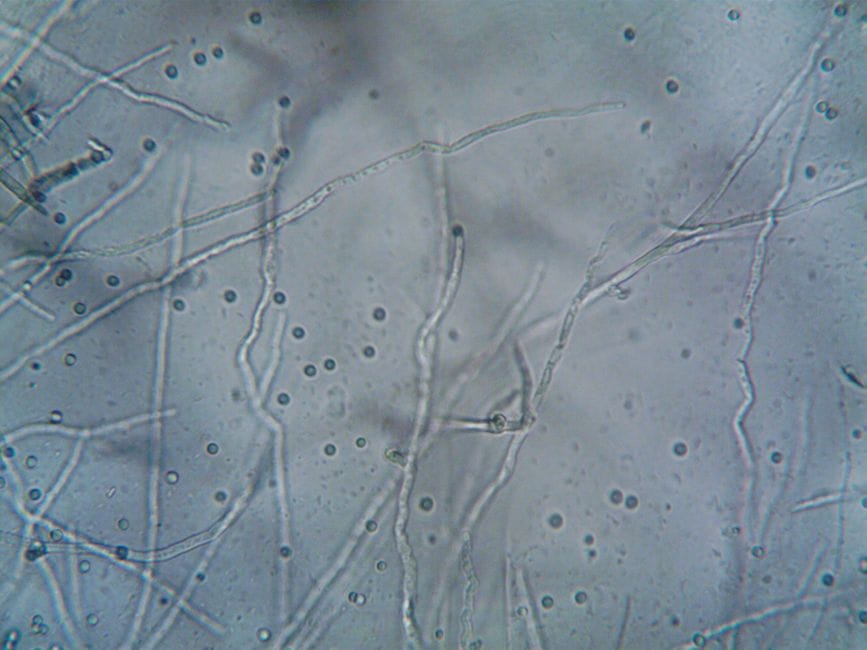
Beneath the surface of any healthy cannabis plant — whether grown in a sunlit Sicilian garden or under LED panels in a northern European grow room — there is an invisible ecosystem quietly doing some of the heaviest lifting. Mycorrhizal fungi, long celebrated in agricultural science but still underappreciated in cannabis cultivation circles, form one of the most consequential partnerships in the plant kingdom.
Understanding what these organisms do, and why they matter, is less a curiosity for the scientifically inclined and more a practical consideration for any grower serious about soil health and plant performance.
A Relationship Built on Exchange
The word mycorrhiza comes from the Greek for fungus and root — and the name is apt. These fungi colonise the root zone of a host plant, forming an intimate physical association at the boundary between root tissue and soil. Rather than harming the plant, they enter into what biologists call a mutualistic symbiosis: both organisms benefit, and neither exploits the other.
The mechanics of the exchange are elegant. Fungal threads, called hyphae, extend far beyond the reach of the plant's own root system — sometimes many centimetres into soil the roots could never access on their own. These threads are capable of solubilising nutrients locked in the soil matrix, including phosphorus, nitrogen compounds, and trace minerals, and shuttling them back to the plant. In return, the plant exudes carbohydrates from its roots — sugars produced through photosynthesis — which feed the fungal network.
It is, in short, a virtuous cycle. The plant receives nutrients it could not otherwise reach without expending enormous energy growing more root mass. The fungus receives a reliable carbon food source. And the broader soil food web — bacteria, nematodes, and other microbial life sharing the substrate — benefits from the increased organic activity in what scientists call the rhizosphere, the narrow zone of soil directly surrounding the roots.
Why Cannabis Growers Should Pay Attention
For cannabis cultivators, mycorrhizal activity translates into several tangible advantages. The most immediate is improved nutrient efficiency: plants supported by a healthy fungal network typically show better uptake of phosphorus in particular, a mineral critical to root development and flowering. This can reduce the need for heavy supplemental feeding — a consideration with both economic and environmental implications.
Beyond nutrition, mycorrhizal fungi contribute to drought resilience. Because the hyphal network retains moisture and improves soil structure, plants are better buffered against water stress — a factor worth noting in Mediterranean growing conditions, where summer heat and irregular rainfall can challenge outdoor cultivators.
There is also evidence that mycorrhizal colonisation improves a plant's resistance to certain soil-borne pathogens. The physical presence of beneficial fungi in the root zone appears to create a degree of biological competition that limits the establishment of harmful organisms — a form of natural pest management that requires no chemical intervention.
Ectomycorrhizae and Endomycorrhizae: Not All Fungi Are Equal
Two broad categories of mycorrhizal fungi are relevant to cannabis cultivation. Ectomycorrhizal fungi form a sheath around the outside of root cells without penetrating them — a structure more commonly associated with trees and woody perennials. Endomycorrhizal fungi, by contrast, penetrate root cell walls directly and form structures called arbuscules inside the cells, creating a more intimate nutrient exchange interface. For cannabis, endomycorrhizal species — particularly those in the genus Rhizophagus, formerly classified as Glomus — are the more relevant group.
Commercial mycorrhizal inoculants are now widely available through specialist horticultural suppliers, typically sold as powders or granules that can be applied directly to seed, transplant root balls, or growing media. Quality varies considerably between products, and growers should look for preparations that specify the fungal species included and viable spore counts.
Working With What the Soil Already Has
Inoculation is not always necessary. Many natural and amended soils already harbour mycorrhizal populations, and cultivation practices that preserve soil biology — avoiding excessive tillage, limiting synthetic fungicide use, and incorporating organic matter — will support and multiply existing fungal communities over time.
Conversely, practices that damage the rhizosphere — heavy applications of phosphate fertilisers, which signal the plant to reduce its investment in the fungal partnership, or the use of broad-spectrum soil drenches — can suppress mycorrhizal activity significantly. Growers chasing nutrient-dense soil profiles with synthetic inputs may, paradoxically, be undermining one of their most efficient natural nutrient delivery systems.
The lesson is one that regenerative agriculture has been articulating for years: soil is not merely a medium to anchor roots. It is a living system, and cannabis plants — like most terrestrial flora — evolved within it, not despite it.
For cultivators at any scale, giving mycorrhizal fungi the conditions to thrive is among the lower-cost, higher-return investments available. It requires no specialised equipment, minimal expenditure, and no departure from good horticultural practice. It requires only the recognition that the most useful partner in your grow may be one you cannot see.
Sources:
Revista THC — Micorrizas: los hongos benéficos que ayudan a una mejor nutrición de la planta: https://revistathc.com/micorrizas-los-hongos-beneficos-que-ayudan-a-una-mejor-nutricion-de-la-planta/
Featured image: Photo by turek on Pexels
Members Discussion